Driving Lessons for Beginners Manual
Learning to drive a manual car is an exciting and rewarding experience. Manual transmission lessons not only give you more control on the road but also open up more options when hiring or buying vehicles in the UK. For beginners, starting with structured manual driving lessons is key to building confidence, mastering gear control, and preparing for the practical driving test. This article breaks down everything you need to know about taking manual driving lessons as a first-time learner.
Why Choose Manual Driving Lessons as a Beginner?
Manual lessons are ideal for learners who want full control over the vehicle, including clutch, gears, and acceleration. Unlike automatic cars, manual cars require more coordination, but once mastered, they allow for smoother handling in various driving conditions. Many UK test centres still report a higher pass rate among manual learners, thanks to the precision and awareness these lessons build.
What to Expect in Your First Few Lessons
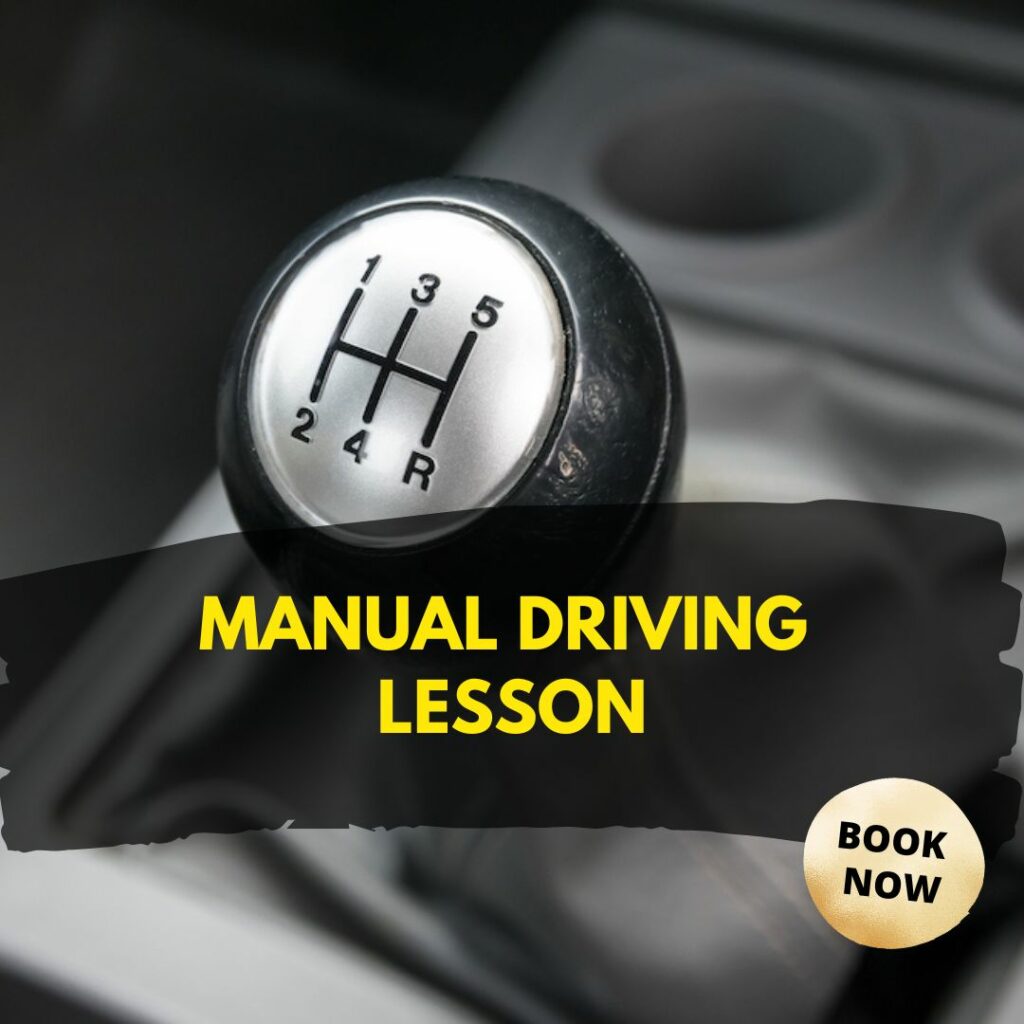
Your first lessons will focus on understanding the car’s controls—clutch, gear stick, handbrake, accelerator, and brake. You’ll also learn the cockpit drill, basic safety checks, and how to move off and stop smoothly. A professional instructor will guide you through this in a calm, supportive environment to help ease nerves and boost confidence.
Clutch Control and Gear Mastery
One of the most important parts of manual driving is mastering clutch control and smooth gear changes. This is where your instructor will focus a significant amount of time. You’ll practice hill starts, gear selection at different speeds, and avoiding common issues like stalling. Manual learners often develop stronger driving reflexes due to the skills required in this stage.
Handling Real-World Traffic Scenarios
Once you’re confident with the basics, you’ll progress to junctions, roundabouts, traffic lights, and dual carriageways. Manual driving in these real-world scenarios helps develop multitasking skills—managing the clutch, gears, and steering while observing traffic rules. This prepares you not just for the test, but for life-long safe driving habits.
Benefits of Learning Manual Over Automatic
Learning to drive in a manual car gives you the flexibility to drive both manual and automatic vehicles after you pass. It also improves your understanding of car mechanics and helps build better control, especially on complex roads or during bad weather. Manual cars are also often cheaper to insure and maintain, making them a smart choice for new drivers.
Want a Step-by-Step Guide for Beginners?
If you’re looking for a more detailed breakdown of what each lesson should include, check out this complete beginner’s guide:
Step by Step Driving Lessons for Beginners
This resource will help you understand the full learning journey—from your first lesson to test day success.