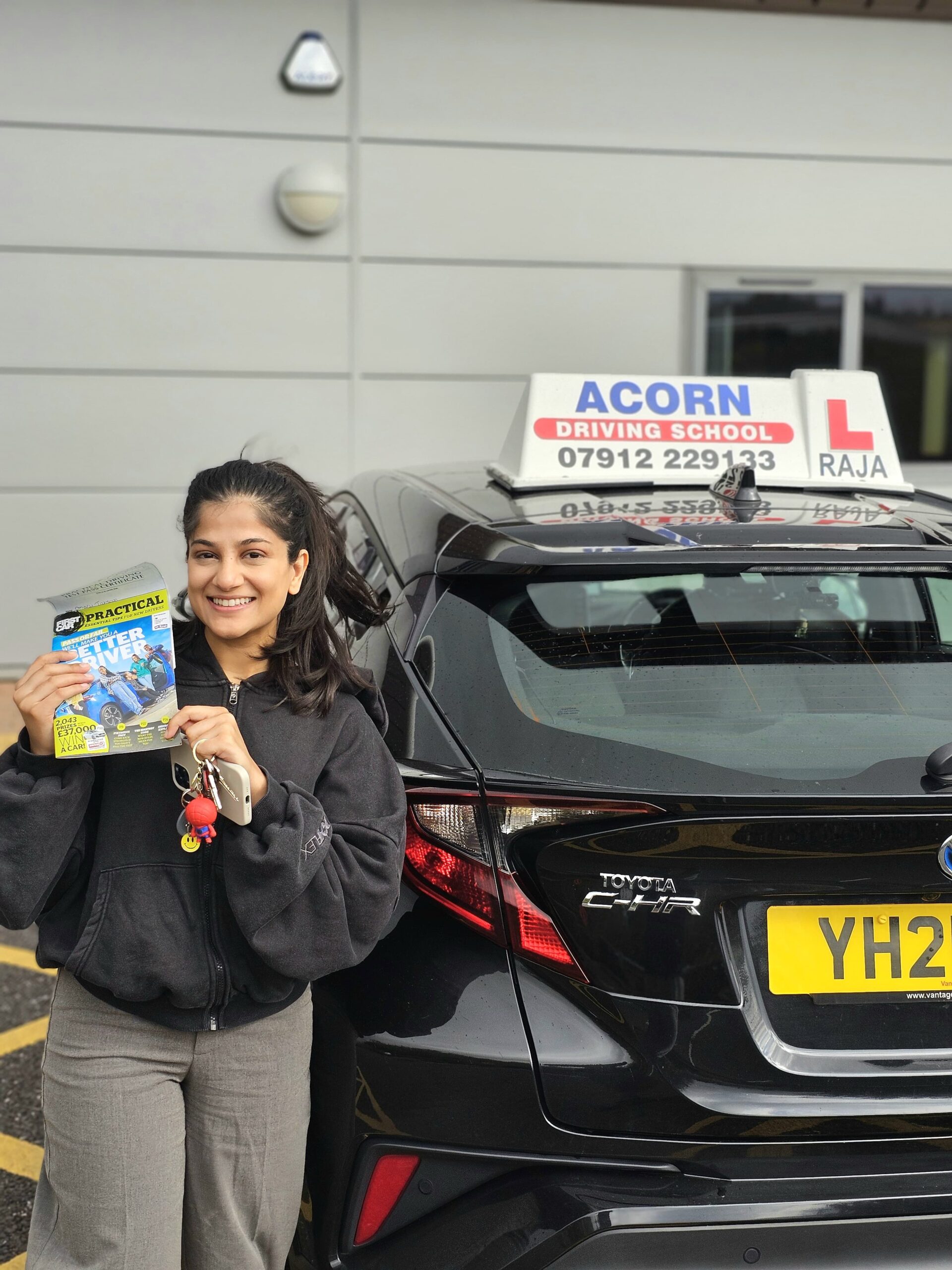
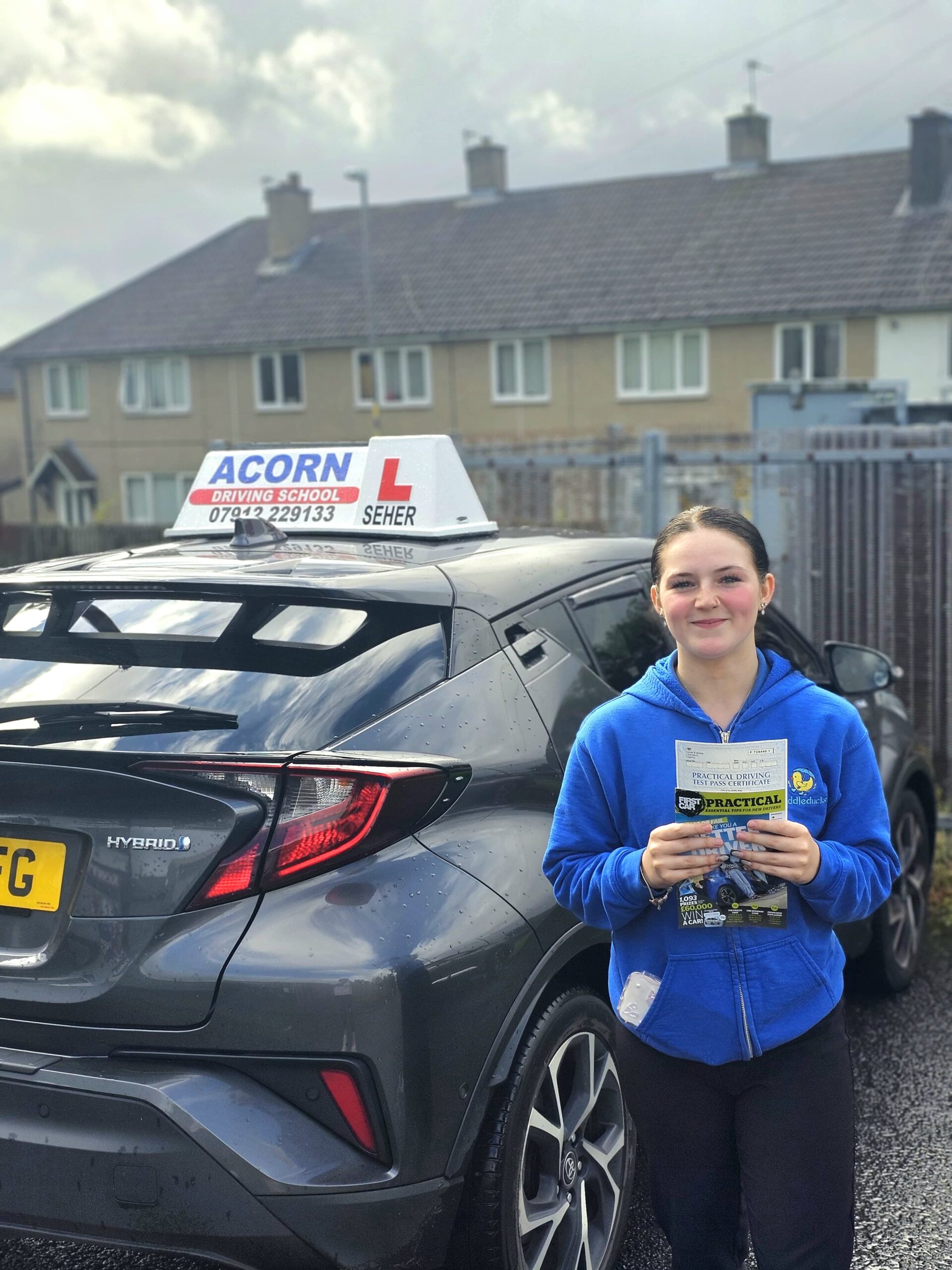
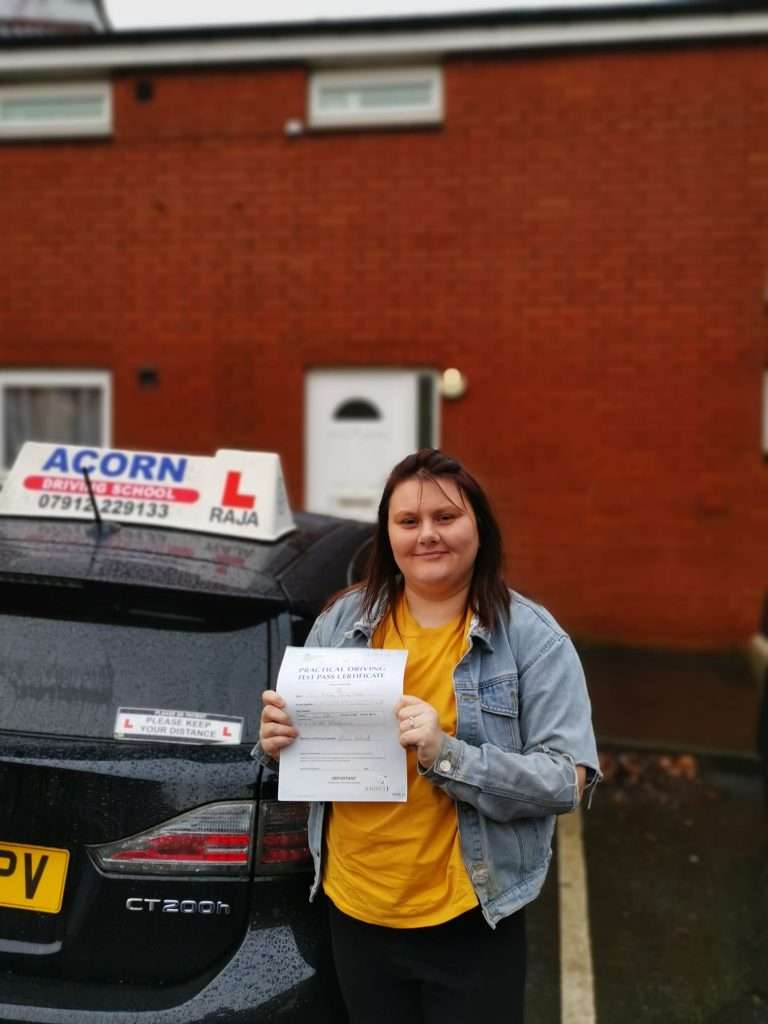
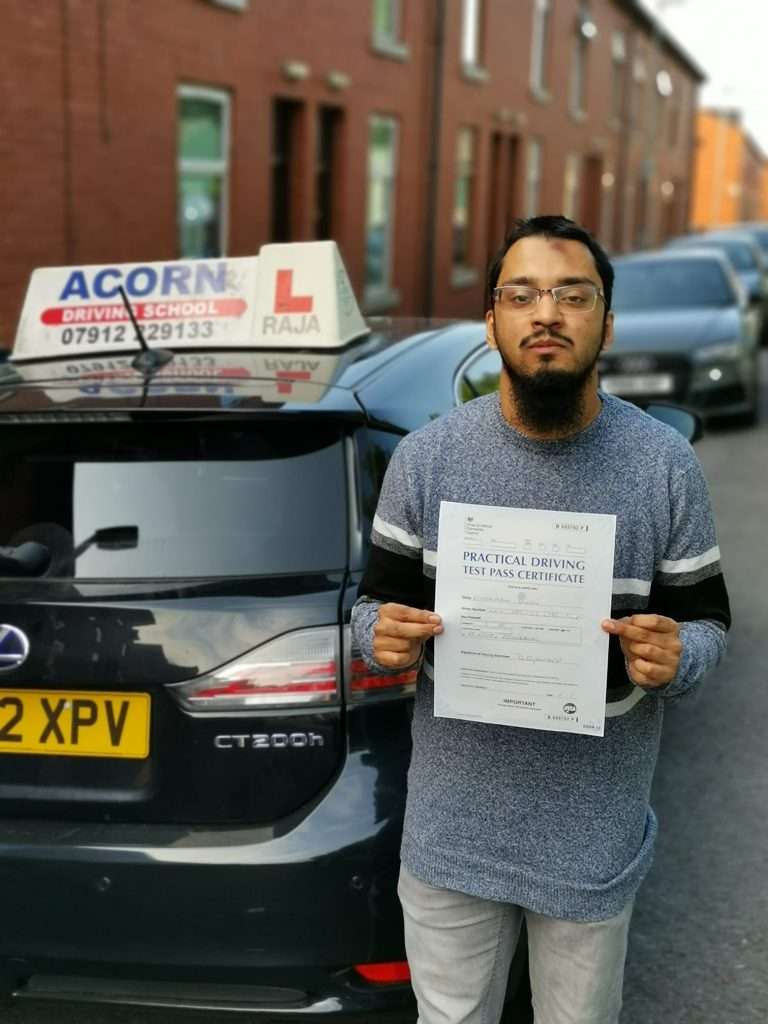
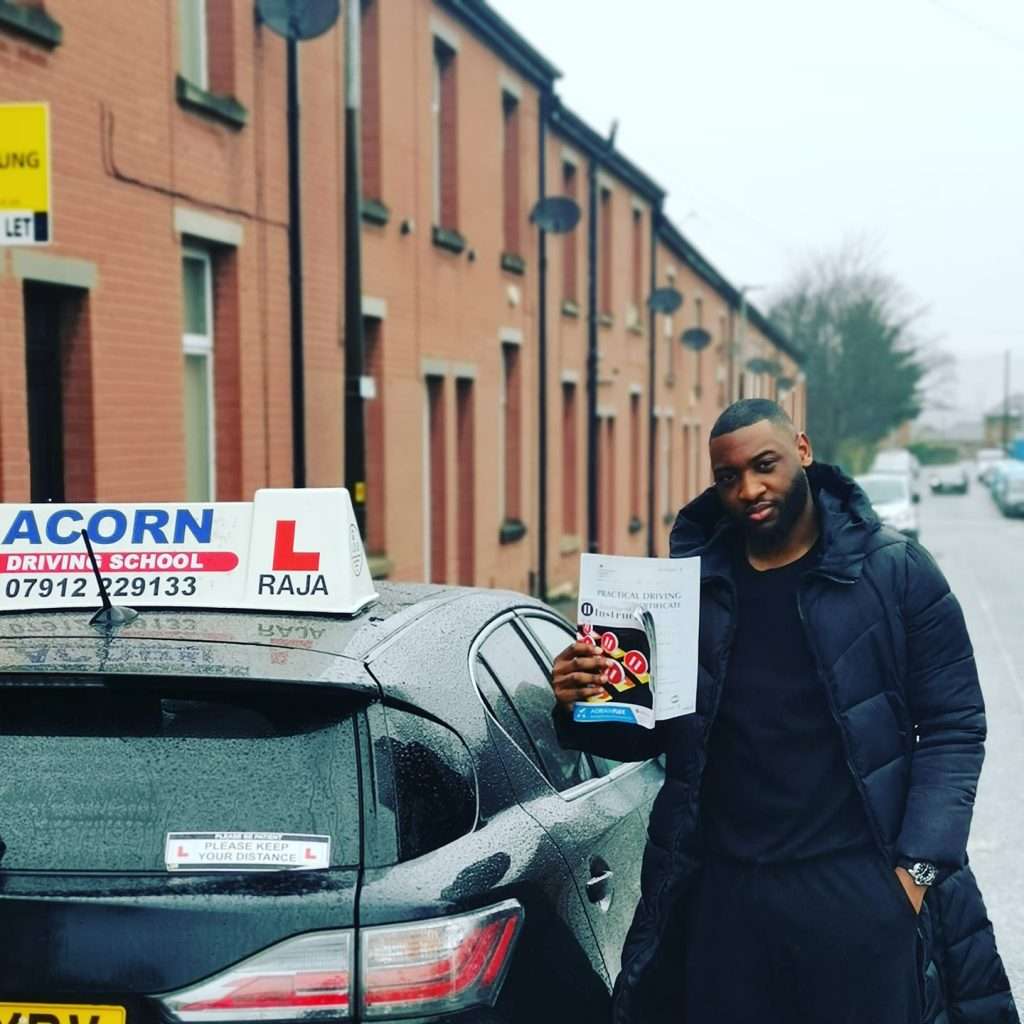
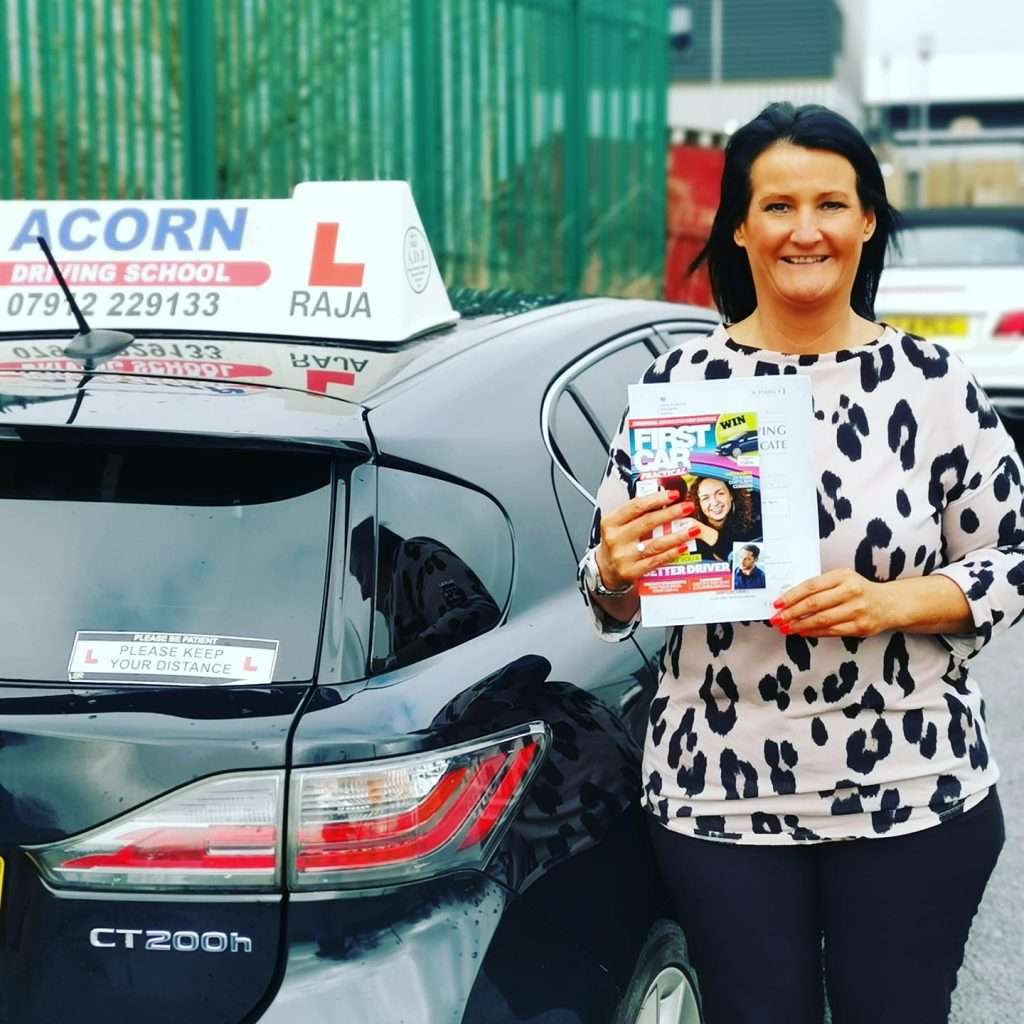
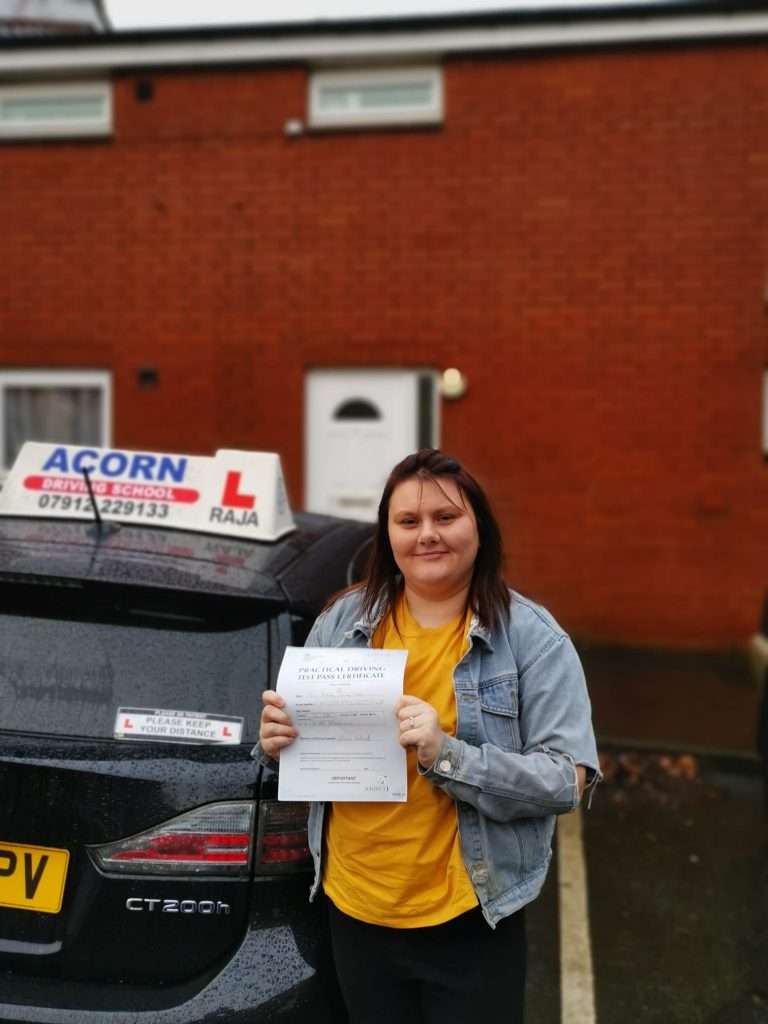
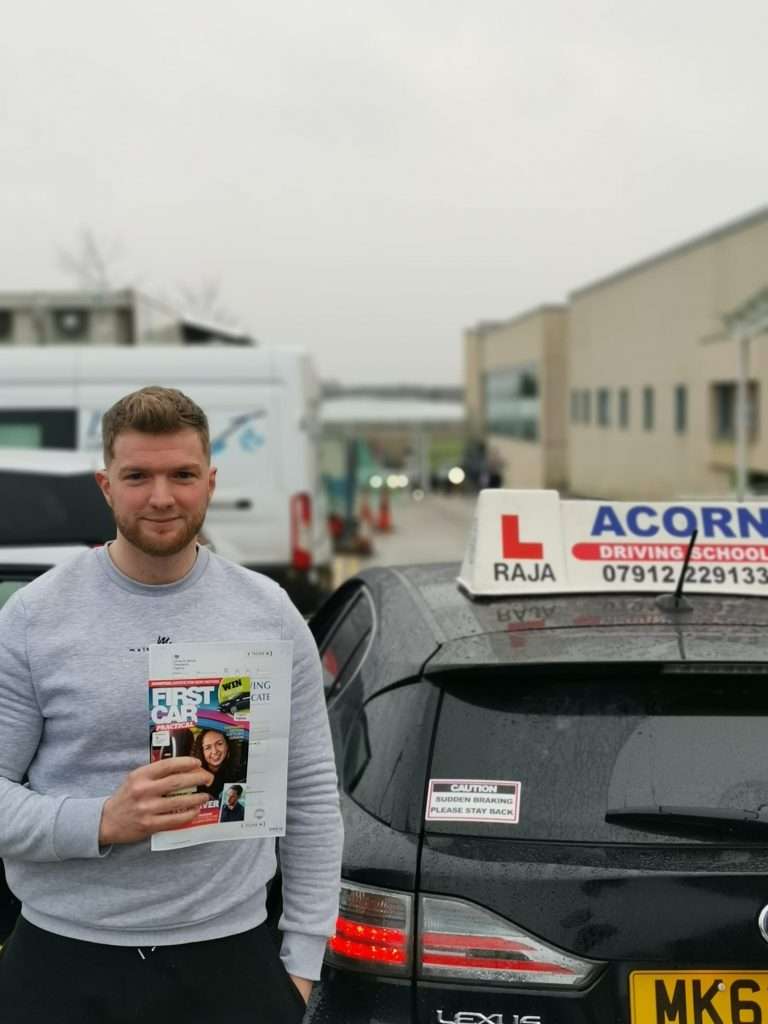
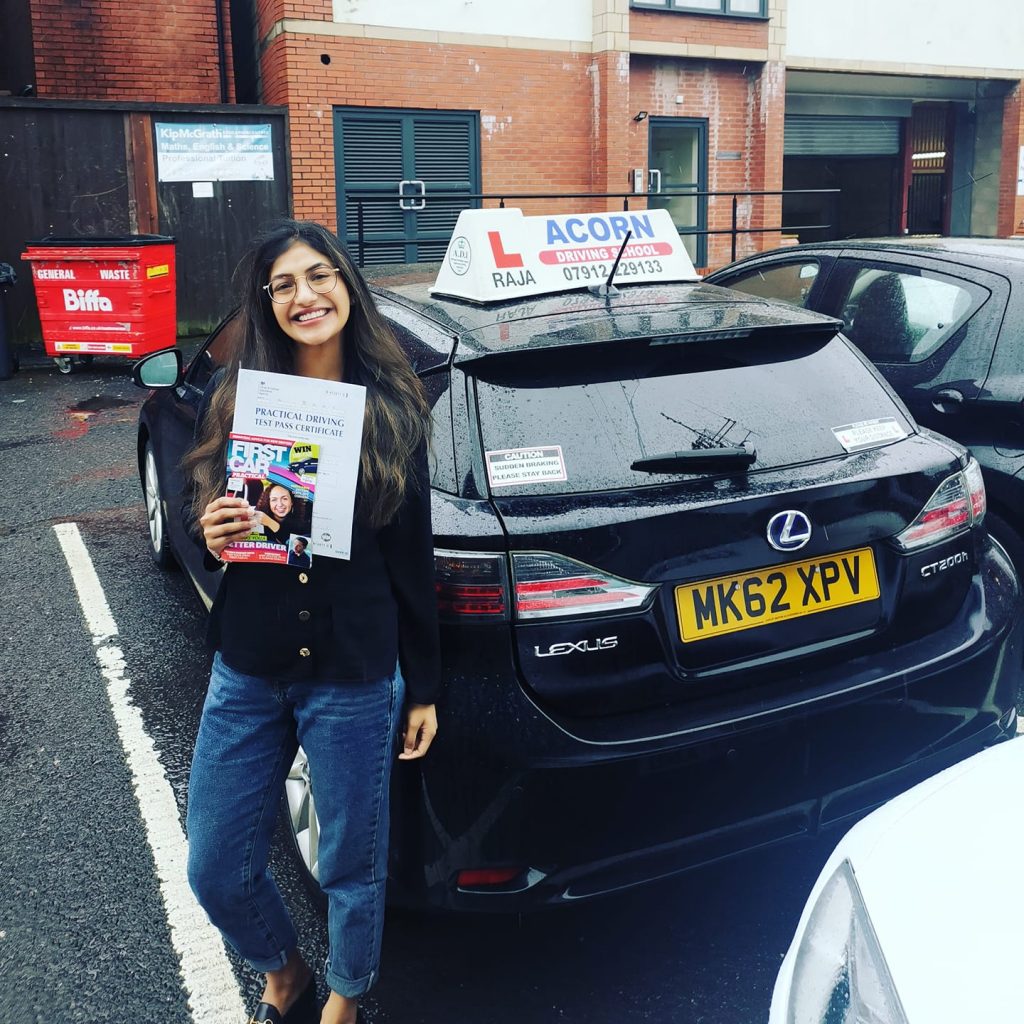
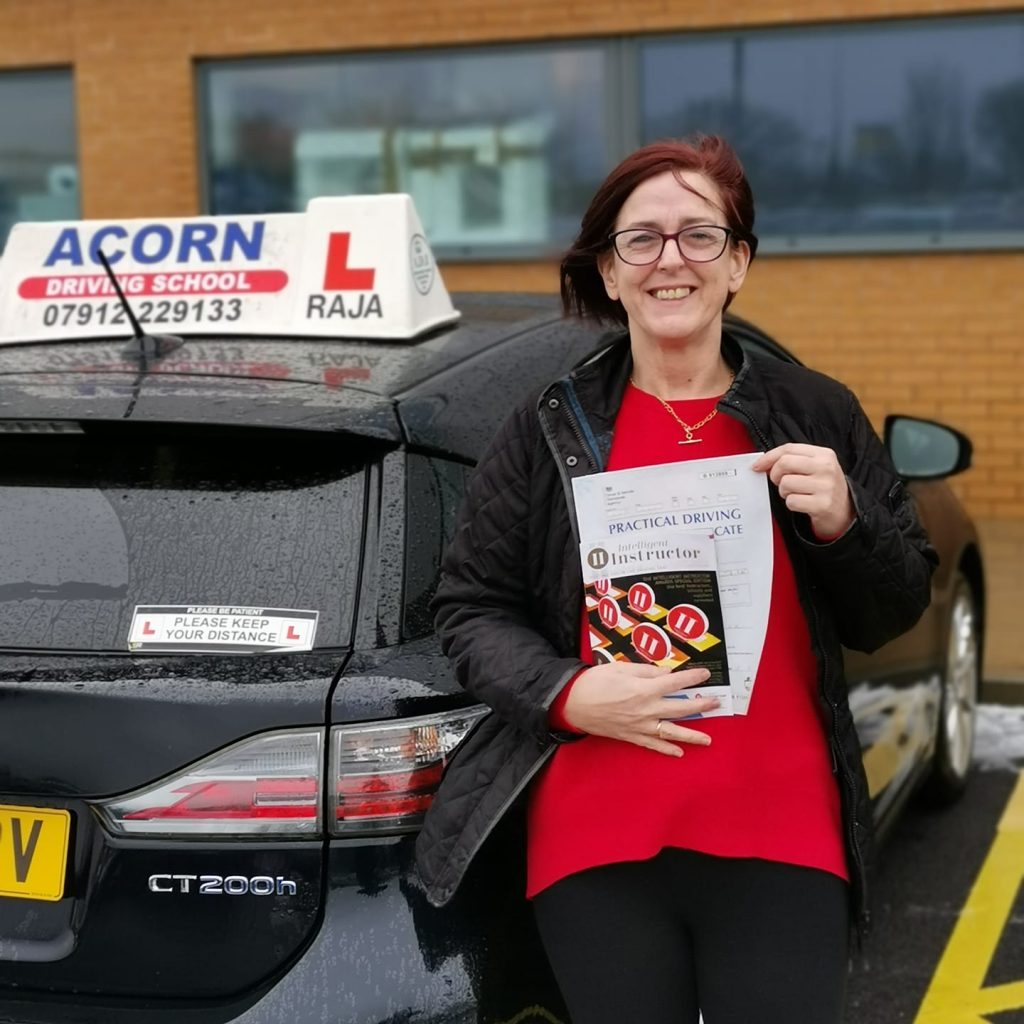
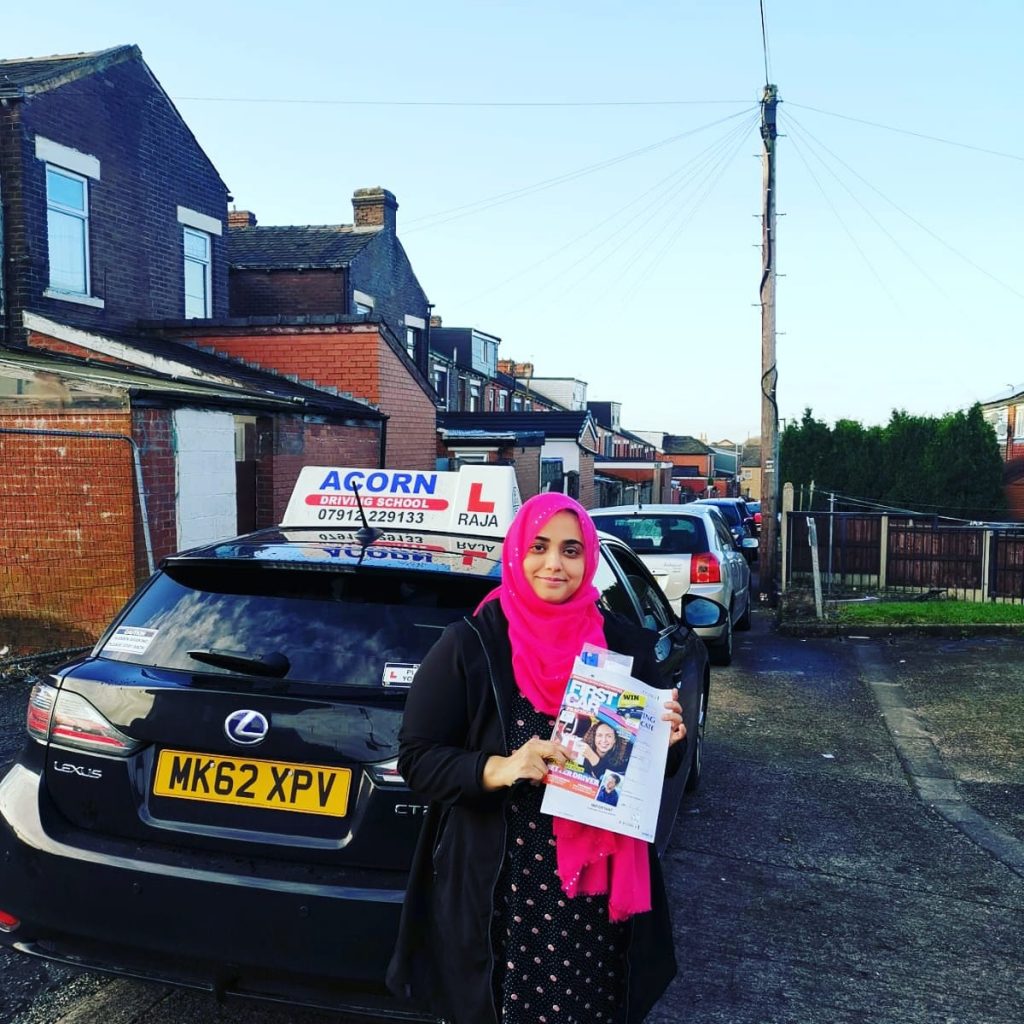
Ready to learn driving? Book your manual or automatic driving lesson with one of our DVSA-approved instructors in Blackburn, Darwen, Accrington, and nearby areas. Whether you’re a beginner or just need a few refresher lessons — we’re here to help you pass confidently.
We’re Hiring! At our driving school, we’re expanding our team and are looking for passionate individuals who want to make a difference. If you’re an Automatic or Manual Driving Instructor, we want to hear from you! We’re currently hiring both male and female instructors to join our growing team in Blackburn, Darwen, and Accrington.
Driving an automatic car is simpler and more convenient than driving a manual, making it ideal for beginners and city drivers. With no clutch and fewer gears to manage, it allows you to focus more on the road. Whether you’re learning for the first time or switching from manual to automatic, this guide will walk you through everything you need to know.
Understanding the Basics of an Automatic Car
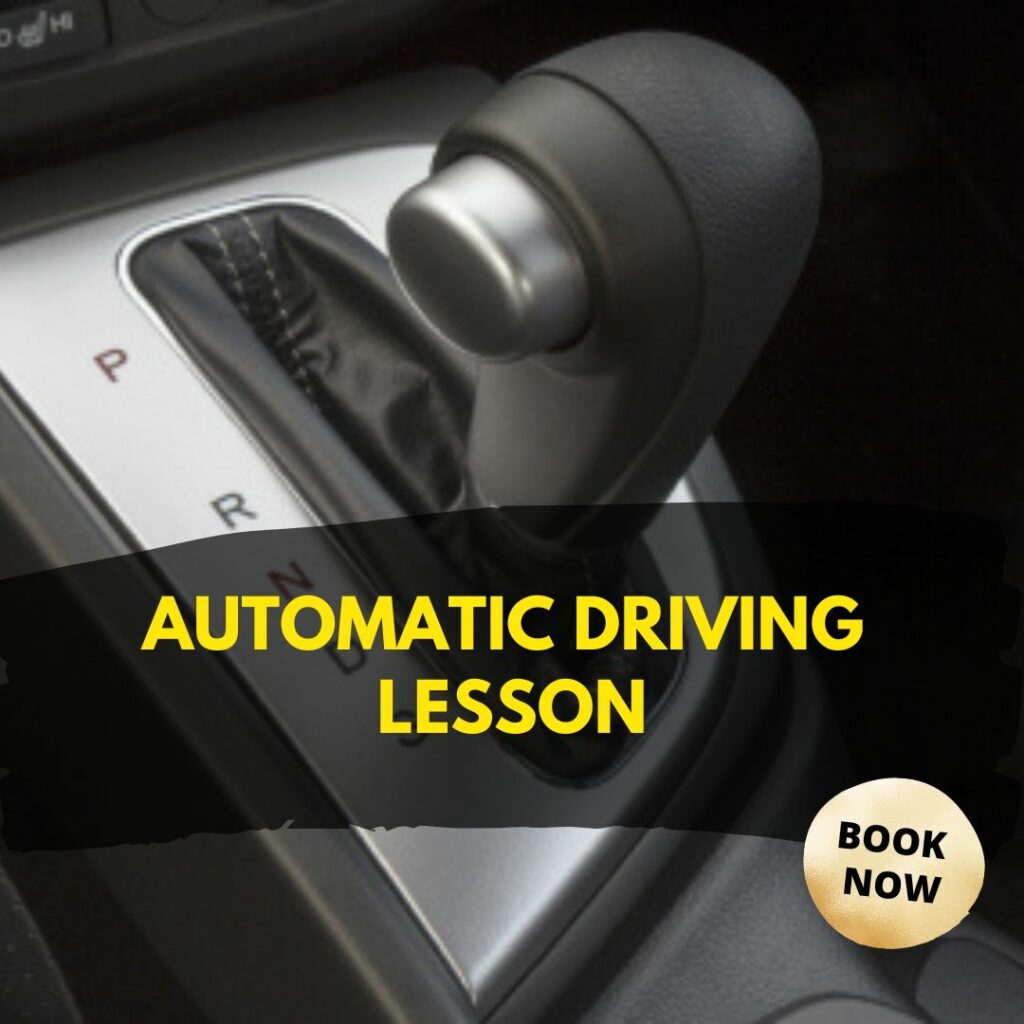
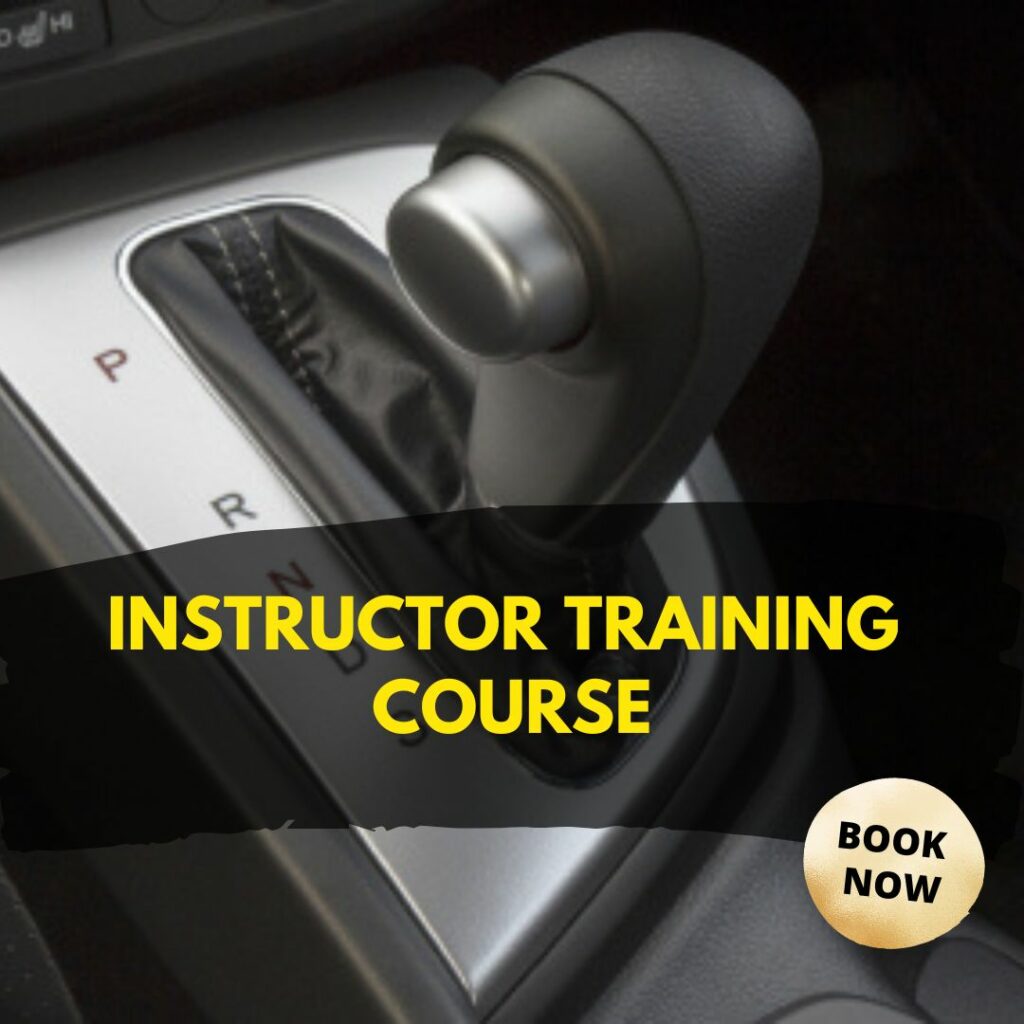
In an automatic car, the transmission changes gears on its own based on your speed and acceleration. This eliminates the need for a clutch pedal. The gear positions typically include:
P (Park)
R (Reverse)
N (Neutral)
D (Drive) Some models may also include options like L (Low gear) or manual shift modes for added control.
Starting and Moving the Car Safely
To start the car:
Press the brake pedal firmly.
Ensure the gear is in ‘P’ (Park).
Turn the ignition or press the start button.
Shift the gear to ‘D’ (Drive) while keeping your foot on the brake.
Release the brake slowly and gently press the accelerator to move forward.
Always check your mirrors and surroundings before moving.
Using the Brake and Accelerator Properly
Unlike manual cars, automatic vehicles only have two pedals:
Right pedal: Accelerator
Left side (usually unused): No clutch Use your right foot only for both pedals to avoid confusion. Press the brake smoothly when slowing down and always bring the car to a complete stop before switching gears.
Navigating Hills and Traffic
Automatic cars handle inclines with ease. On hills, you can use the handbrake if needed. Many modern automatics have hill start assist, which prevents rollback. In stop-and-go traffic, keep the car in ‘D’ and gently manage braking. You can shift to ‘N’ (Neutral) at long traffic lights to rest your foot.
Parking an Automatic Car Correctly
When parking:
Come to a full stop.
Shift the gear to ‘P’ (Park).
Apply the handbrake.
Turn off the engine.
Always make sure the car is securely parked, especially on slopes.
Want Extra Help Learning Automatic?
If you’re still unsure or want professional help to master automatic driving, consider working with a private driving instructor near you. A qualified instructor can guide you through real-world situations and build your confidence quickly.